Understand the 12 axes
Religion: Irreligious / Religious
What place should religion have in individual and public life?
What this axis explores
Irreligious positions give less authority to religious belief and religious institutions. Religious positions assign greater importance to faith, sacred commitments and religious influence. The axis captures responses to the questionnaire, not membership of a particular denomination.
How the questions explore the axis
The questions explore religious authority, belief, secular institutions and the relationship between religious norms and public decisions. The optional religion selector used for profile matching is separate from these scored answers.
A religious affiliation does not set this score. Declining to choose an affiliation also does not force the result toward the Irreligious pole. Separate personal belief from the authority you think religious institutions should exercise over others. Those questions need not produce identical answers. A person can practice a religion while favoring secular public institutions, and the optional affiliation filter remains a different part of the test.
Across the reference catalog
These 877 profiles are reference models, not responses from quiz participants. The distributions describe this catalog’s composition.
Among 250 ideologies, the median Religion score is 58.2% Irreligious. The lowest value is 1% (Feudalism), while the highest is 100% (Techno-Socialism). These values describe the reference set on this particular axis.
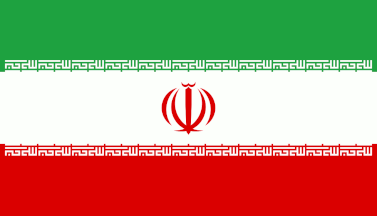
Among 203 countries and regions, the median Religion score is 38.8% Irreligious. The lowest value is 0% (Iran), while the highest is 97.5% (Soviet Union (USSR)). These values describe the reference set on this particular axis.
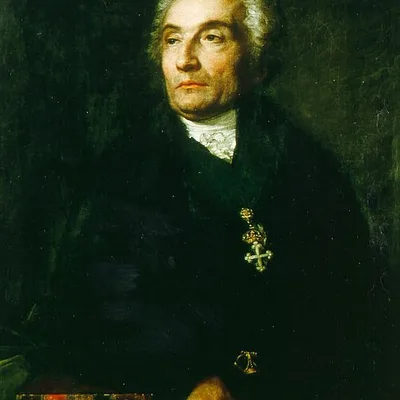
Among 424 figures, the median Religion score is 48.8% Irreligious. The lowest value is 0% (Joseph de Maistre), while the highest is 98.8% (Louis Auguste Blanqui). These values describe the reference set on this particular axis.
Explore both poles
Irreligious
Techno-Socialism
Pol Pot Socialism
Blanquist Socialism
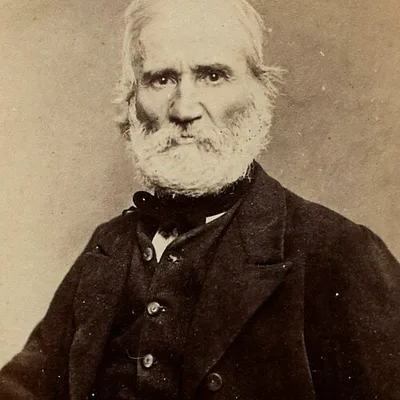
Louis Auguste Blanqui
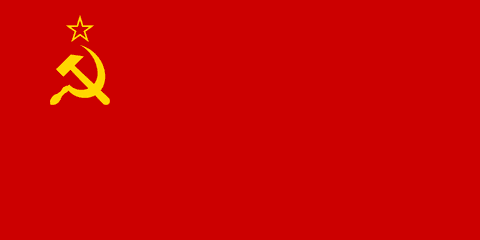
Soviet Union (USSR)
Religious



Connections with other axes
Morality
0.77r
Positive correlation between left-pole percentages in the ideology catalog. A catalog relationship does not determine your answers.
Immigration
-0.55r
Negative correlation between left-pole percentages in the ideology catalog. A catalog relationship does not determine your answers.
Consider the questions
01Religion is a personal matter and should not influence public policy.
02Laws should be neutral and not follow the values of any religion.
03Faith should be the guide for my moral and political choices.
04The country's laws should reflect the values of the majority religion.
Explore the seven bands
Your perspective, in detail
Where do your ideas stand?
Explore twelve dimensions and discover the combinations that make your perspective your own.