Understand the 12 axes
Representation: Democracy / Autocracy
Who should govern, and how should they be accountable?
What this axis explores
Democracy emphasizes participation, competitive elections, opposition, deliberation and institutional restraints. Autocracy emphasizes concentrated leadership, inherited authority, rule by experts or continued government without competitive popular authorization.
How the questions explore the axis
Statements ask about elections, secret voting, constitutional courts, referendums, recall, citizens’ assemblies, technocratic appointment, monarchy and exceptional executive power. Each answer concerns a mechanism of political authority, rather than whether the current holder of that authority is liked.
A preference for effective administration is not automatically a preference for autocracy. The questionnaire asks which safeguards and forms of participation should survive disagreements or difficult circumstances. Try separating an institution from its present officeholder. Would you retain an election, an opposition party or a court’s review power when it produces an outcome you dislike? That distinction helps clarify whether an answer concerns accountability or a preferred political outcome.
Across the reference catalog
These 877 profiles are reference models, not responses from quiz participants. The distributions describe this catalog’s composition.
Among 250 ideologies, the median Representation score is 58.8% Democracy. The lowest value is 5% (Cameralism), while the highest is 95% (Techno-Communism). These values describe the reference set on this particular axis.
Among 203 countries and regions, the median Representation score is 53.8% Democracy. The lowest value is 3.1% (Qing Dynasty China), while the highest is 88.8% (Zapatista Chiapas (Mexico)). These values describe the reference set on this particular axis.
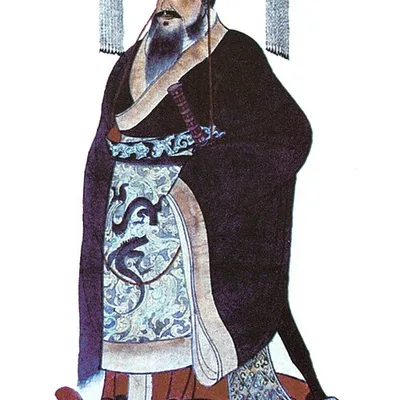
Among 424 figures, the median Representation score is 57.5% Democracy. The lowest value is 3.1% (Qin Shi Huang), while the highest is 90% (Jeremy Corbyn). These values describe the reference set on this particular axis.
Explore both poles
Democracy
Techno-Communism
Democratic Socialism
Social Libertarianism
Techno-Anarchism
Syndicalism
Autocracy




Connections with other axes
Consider the questions
01Free elections must be kept even when they elect bad governments.
02The political opposition should have the right to criticize any government in public.
03In serious crises, a strong leader should be able to govern without depending on the legislature.
04I prefer decisions by a small group of leaders to power divided among institutions.
Explore the seven bands
Your perspective, in detail
Where do your ideas stand?
Explore twelve dimensions and discover the combinations that make your perspective your own.