Understand the 12 axes
Trade: Protectionism / Globalism
How open should the economy be to international exchange?
What this axis explores
Protectionism gives greater weight to domestic production, economic self-reliance and measures that shelter national industries. Globalism favors international trade, cross-border integration and fewer barriers to the movement of goods and capital.
How the questions explore the axis
Questions examine tariffs, import restrictions, domestic supply, trade agreements and the balance between national economic independence and international exchange. The axis is specifically economic, even when a statement also raises questions about sovereignty.
Trade openness is distinct from cultural openness and from military alliances. Someone can favor international commerce while preferring strict immigration rules or a restrained foreign policy. A useful distinction is whether your concern is a particular industry or a general rule for all imports. Resilience, price, employment and access to overseas markets can pull in different directions. The score summarizes the balance expressed across the sampled statements.
Across the reference catalog
These 877 profiles are reference models, not responses from quiz participants. The distributions describe this catalog’s composition.
Among 250 ideologies, the median Trade score is 61.7% Protectionism. The lowest value is 3.8% (Anarcho-Capitalism), while the highest is 98.8% (Pol Pot Socialism). These values describe the reference set on this particular axis.
Among 203 countries and regions, the median Trade score is 46.2% Protectionism. The lowest value is 13.8% (Democratic Athens), while the highest is 99% (Tokugawa Japan). These values describe the reference set on this particular axis.
Among 424 figures, the median Trade score is 51.6% Protectionism. The lowest value is 3.8% (Gustave de Molinari), while the highest is 98.8% (Pol Pot). These values describe the reference set on this particular axis.
Explore both poles
Protectionism

Tokugawa Japan
Maoist Communism
Pol Pot Socialism
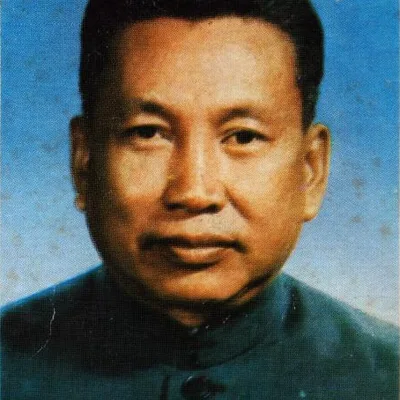
Pol Pot
Agrarian Communism
Globalism


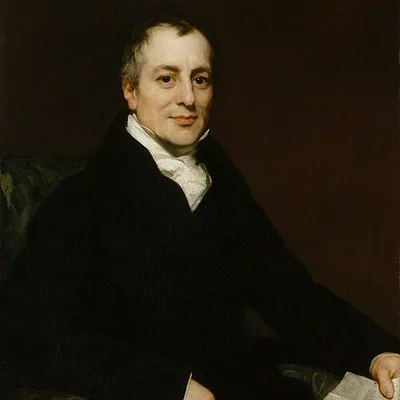
Connections with other axes
Consider the questions
01Domestic industries should be protected with tariffs whenever necessary.
02I prefer limiting imports to protect industrial jobs, even if prices rise.
03Tariffs should be cut to almost zero, even if some domestic industries fail.
04My country should pursue free trade agreements with other countries.
Explore the seven bands
Your perspective, in detail
Where do your ideas stand?
Explore twelve dimensions and discover the combinations that make your perspective your own.