Understand the 12 axes
Strong Protectionism: Trade
72.5–87.4% Protectionism · 12.599999999999994–27.5% Globalism
What this band means
Strong Protectionism covers 72.5–87.4% Protectionism. Your answers favor Protectionism, with a strong preference in this part of the questionnaire. Protectionism gives greater weight to domestic production, economic self-reliance and measures that shelter national industries. Globalism favors international trade, cross-border integration and fewer barriers to the movement of goods and capital. Trade openness is distinct from cultural openness and from military alliances. Someone can favor international commerce while preferring strict immigration rules or a restrained foreign policy. This band describes the direction and distance of your score from the center, rather than the percentage of people who agree with you. Two people in the same band can still disagree on particular policies. Their remaining eleven axes may also differ substantially. Use the sample statements to identify the trade-offs that produced this part of your result. The catalog examples below offer points of comparison within the model; they are not a survey of quiz participants.
Across the reference catalog
These 168 profiles are reference models, not responses from quiz participants. The distributions describe this catalog’s composition.
Among 60 ideologies, the median Trade score is 79.4% Protectionism. The lowest value is 72.5% (Distributism), while the highest is 87.1% (National Bolshevism (NazBol)). These values describe the reference set on this particular axis.
Among 33 countries and regions, the median Trade score is 81.2% Protectionism. The lowest value is 72.9% (Kingdom of Castile), while the highest is 87.1% (Atatürk's Turkey). These values describe the reference set on this particular axis.
Among 75 figures, the median Trade score is 78.8% Protectionism. The lowest value is 72.5% (Mustafa Kemal Atatürk), while the highest is 86.9% (Mao Zedong). These values describe the reference set on this particular axis.
Examples in this band

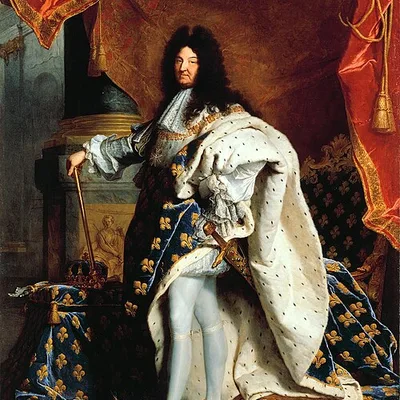
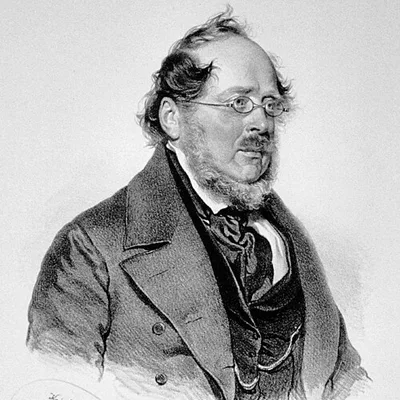
How the other axes combine
These are medians for reference profiles in this band. They do not predict the other views of a person with this result.
Among the 168 profiles in Strong Protectionism, Structure has a median of 20% Federal and 80% Unitary.
Among the 168 profiles in Strong Protectionism, Representation has a median of 26.85% Democracy and 73.2% Autocracy.
Among the 168 profiles in Strong Protectionism, Power has a median of 75.75% Security and 24.3% Liberty.
Among the 168 profiles in Strong Protectionism, Immigration has a median of 70.5% Assimilation and 29.5% Multiculturalism.
Among the 168 profiles in Strong Protectionism, Diplomacy has a median of 66.25% Militarist and 33.8% Pacifist.
Among the 168 profiles in Strong Protectionism, Intervention has a median of 38.8% Non-interventionist and 61.2% Nationalist.
Among the 168 profiles in Strong Protectionism, Economy has a median of 63.7% Public and 36.3% Private.
Among the 168 profiles in Strong Protectionism, Control has a median of 75.2% Planning and 24.8% Free market.
Among the 168 profiles in Strong Protectionism, Religion has a median of 36.85% Irreligious and 63.1% Religious.
Among the 168 profiles in Strong Protectionism, Morality has a median of 25% Progressive and 75% Traditionalist.
Among the 168 profiles in Strong Protectionism, Technology has a median of 55% Technology and 45% Biology.
Consider the questions
01Domestic industries should be protected with tariffs whenever necessary.
02I prefer limiting imports to protect industrial jobs, even if prices rise.
03Tariffs should be cut to almost zero, even if some domestic industries fail.
Explore the seven bands
Your perspective, in detail
Where do your ideas stand?
Explore twelve dimensions and discover the combinations that make your perspective your own.