Understand the 12 axes
Very strong Unitary: Structure
0–12.5% Federal · 87.5–100% Unitary
What this band means
Very strong Unitary covers 0–12.5% Federal. Your answers favor Unitary, with a very pronounced preference in this part of the questionnaire. Federal arrangements distribute authority between national, regional and local institutions. Unitary arrangements place greater responsibility in a common national framework. The distinction concerns territory and jurisdiction: two governments can both hold elections while allocating their powers very differently. Decentralization does not by itself establish democracy. Read this axis alongside Representation to separate the location of power from who controls it. This band describes the direction and distance of your score from the center, rather than the percentage of people who agree with you. Two people in the same band can still disagree on particular policies. Their remaining eleven axes may also differ substantially. Use the sample statements to identify the trade-offs that produced this part of your result. The catalog examples below offer points of comparison within the model; they are not a survey of quiz participants.
Across the reference catalog
These 110 profiles are reference models, not responses from quiz participants. The distributions describe this catalog’s composition.
Among 31 ideologies, the median Structure score is 8.8% Federal. The lowest value is 0% (Juche Socialism), while the highest is 12.5% (State Developmentalism). These values describe the reference set on this particular axis.
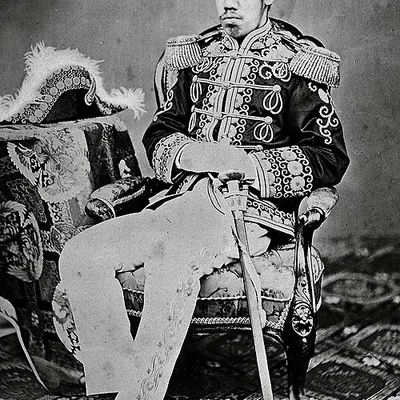
Among 34 countries and regions, the median Structure score is 8% Federal. The lowest value is 1.2% (North Korea), while the highest is 12.5% (Meiji Japan). These values describe the reference set on this particular axis.
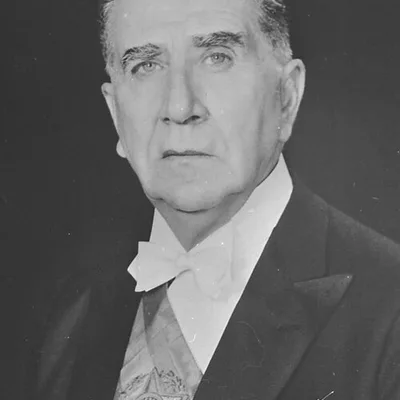
Among 45 figures, the median Structure score is 7.5% Federal. The lowest value is 0% (Joseph Stalin), while the highest is 12.5% (Nicholas II). These values describe the reference set on this particular axis.
Examples in this band




How the other axes combine
These are medians for reference profiles in this band. They do not predict the other views of a person with this result.
Among the 110 profiles in Very strong Unitary, Representation has a median of 11.7% Democracy and 88.3% Autocracy.
Among the 110 profiles in Very strong Unitary, Power has a median of 88.8% Security and 11.2% Liberty.
Among the 110 profiles in Very strong Unitary, Immigration has a median of 77.5% Assimilation and 22.5% Multiculturalism.
Among the 110 profiles in Very strong Unitary, Diplomacy has a median of 80% Militarist and 20% Pacifist.
Among the 110 profiles in Very strong Unitary, Intervention has a median of 24.5% Non-interventionist and 75.5% Nationalist.
Among the 110 profiles in Very strong Unitary, Economy has a median of 58% Public and 42% Private.
Among the 110 profiles in Very strong Unitary, Control has a median of 77.5% Planning and 22.5% Free market.
Among the 110 profiles in Very strong Unitary, Trade has a median of 79.6% Protectionism and 20.4% Globalism.
Among the 110 profiles in Very strong Unitary, Religion has a median of 45.7% Irreligious and 54.3% Religious.
Among the 110 profiles in Very strong Unitary, Morality has a median of 22.55% Progressive and 77.5% Traditionalist.
Among the 110 profiles in Very strong Unitary, Technology has a median of 64.55% Technology and 35.5% Biology.
Consider the questions
01Regional and local governments should decide their own affairs without national interference.
02Laws on local matters should be made by local governments.
03The whole country should follow the same laws, even when its regions prefer otherwise.
Explore the seven bands
Your perspective, in detail
Where do your ideas stand?
Explore twelve dimensions and discover the combinations that make your perspective your own.